Electrical systems in Monroe homes have to support everything from everyday lighting and appliances to modern HVAC equipment, home offices, EV charging, and backup power. Add Connecticut thunderstorms, winter weather, falling branches, and occasional utility outages, and dependable electrical service becomes an important part of keeping a local property safe and functional.
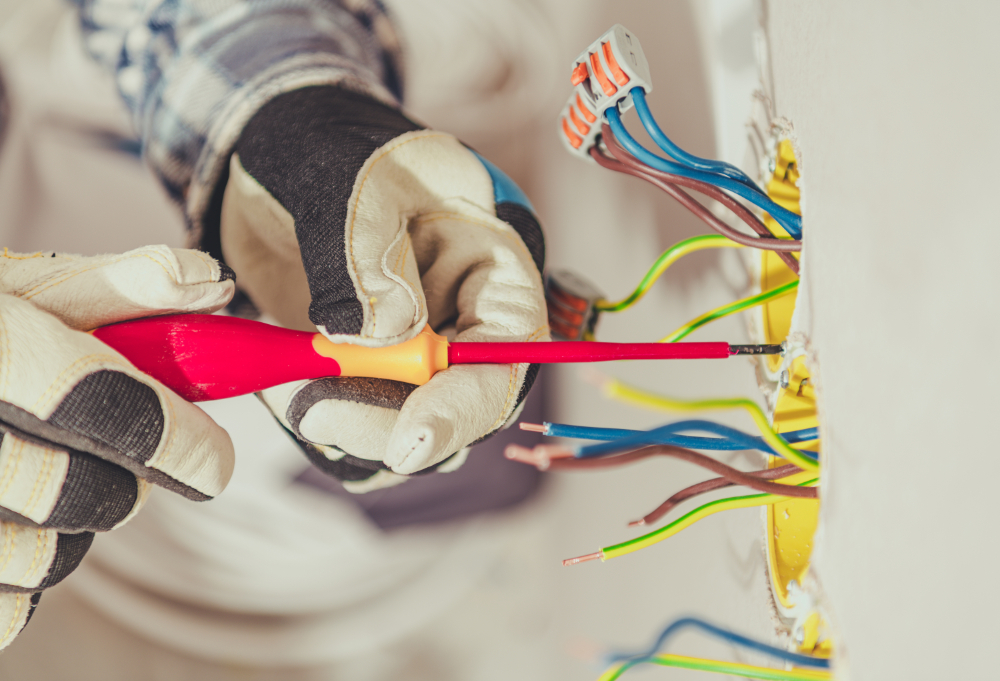
Choosing an electrical contractor in Monroe, CT means looking for a professional who can evaluate the entire electrical system, not simply address the symptom that prompted the call. Wiring repairs, electrical panel upgrades, generator installations, and troubleshooting should all begin with understanding the property’s existing electrical capacity and the work required to complete the project safely.
What local property owners should know
Frequent breaker trips, flickering lights, warm electrical components, and unexplained power problems should be professionally evaluated.
Older homes around Fairfield County may have electrical systems that were installed before today’s household power demands.
Connecticut storms can make backup power planning particularly valuable for properties where outages create significant disruption.
Panel capacity should be evaluated before adding major electrical loads such as EV chargers, generators, or new equipment.
Monroe offers residential and commercial electrical permitting through its local permitting system when permits are required for a project.
Why Electrical System Condition Matters in Monroe
Electrical system condition matters in Monroe because local homes combine New England building history with steadily increasing electrical demand. A system that once handled basic lighting and appliances may now be expected to support central air conditioning, electronics, home offices, larger kitchen equipment, EV charging, and other substantial loads.
Monroe sits in eastern Fairfield County and includes a mix of established residential areas and newer properties. Local features such as Stepney, Stevenson, Wolfe Park, Great Hollow Lake, Webb Mountain, Lake Zoar, and the Housatonic River help give the community its distinctive character.
That setting also comes with seasonal electrical concerns. Strong winds, thunderstorms, snow, ice, and tree damage can affect utility service throughout Connecticut.
New England Electrical Contracting, Inc. helps local property owners address electrical needs ranging from wiring and troubleshooting to panel upgrades and generator services. From this point forward, we focus on helping customers understand what their electrical systems need and which solution makes sense for the property.
Local Electrical Conditions and Field Observations
Local electrical conditions make system capacity, equipment age, and backup-power readiness especially useful areas to evaluate. The Town of Monroe identifies the community as part of eastern Fairfield County, while its online permitting system includes both residential and commercial electrical permits for work that requires local approval.
Eversource also provides Connecticut customers with outage reporting, outage maps, alerts, and storm-preparedness information. That reinforces a practical reality for area homeowners: electrical planning is not limited to what happens inside the house. Utility interruptions and severe weather are also worth considering when deciding whether backup power belongs in a property’s long-term electrical plan.
Warning Signs Your Electrical System Needs Attention
Electrical warning signs should be addressed when they indicate overheating, overloaded circuits, damaged components, or inconsistent power delivery. Monroe homeowners should pay particular attention when a problem repeats, affects multiple areas of the house, or begins after adding equipment that increases the home’s electrical demand.
Common warning signs include:
Breakers that trip repeatedly during normal use
Lights that flicker, dim, or brighten unexpectedly
Buzzing or crackling from switches, outlets, or the electrical panel
Outlets or switches that feel unusually warm
Discoloration around electrical devices
Too few circuits or receptacles for current household needs
Extension cords being used as a long-term solution
A generator that fails to start, transfer power, or operate as expected
Burning odors, visible arcing, smoke, or damaged electrical equipment require immediate attention. Avoid touching questionable equipment and contact a qualified professional.
When to Call a Professional Electrician
A professional electrician should be called when electrical work involves the service panel, permanent wiring, new circuits, transfer equipment, generator connections, recurring breaker problems, or signs of overheating. These are not appropriate areas for trial-and-error repairs because mistakes can create shock, fire, equipment-damage, and code-compliance risks.
Homeowners can safely watch for changes in system behavior and test accessible devices according to manufacturer instructions. They can also note which appliances were operating when a breaker tripped.
Permanent electrical modifications should be left to a qualified electrician. The Town of Monroe specifically provides residential and commercial electrical permit categories, so permit requirements should also be considered before applicable work begins.
Common Electrical Problems in Local Homes
Common electrical problems in local homes often involve aging components, insufficient capacity, added electrical loads, weather-related problems, or outdated wiring arrangements. The correct repair depends on the system itself, which is why diagnosis should come before replacing breakers, panels, outlets, or other components.
1. Increasing electrical demand: Modern appliances, HVAC systems, home offices, workshops, and EV chargers can place demands on a system that were never anticipated when it was installed.
2. Aging wiring or devices: Older switches, receptacles, connections, and wiring can deteriorate or become unsuitable for the way a property is currently used.
3. Panel limitations: A panel may need evaluation when homeowners are renovating, adding circuits, installing high-demand equipment, or repeatedly experiencing capacity-related problems.
4. Storm-related electrical issues: Wind, falling limbs, lightning, and utility interruptions can create electrical problems throughout Fairfield County.
5. Improper previous modifications: Additions or DIY electrical changes can leave behind problems that only become apparent during renovations, troubleshooting, or equipment upgrades.
Panel Upgrades and Modern Electrical Loads
An electrical panel upgrade can provide the capacity and circuit organization needed for modern electrical demands when the existing equipment is no longer appropriate. An upgrade is not automatically necessary simply because a panel is older, so the existing service, equipment condition, available capacity, and planned loads should be evaluated first.
For Monroe homeowners, that evaluation becomes particularly useful before a major renovation, EV charger installation, new HVAC equipment, workshop expansion, or other significant electrical addition.
A professional assessment can determine whether the project needs a new circuit, panel modifications, a service upgrade, or another solution. This avoids replacing equipment unnecessarily while making sure future electrical loads are considered.
Generac Generator Services and Backup Power Planning
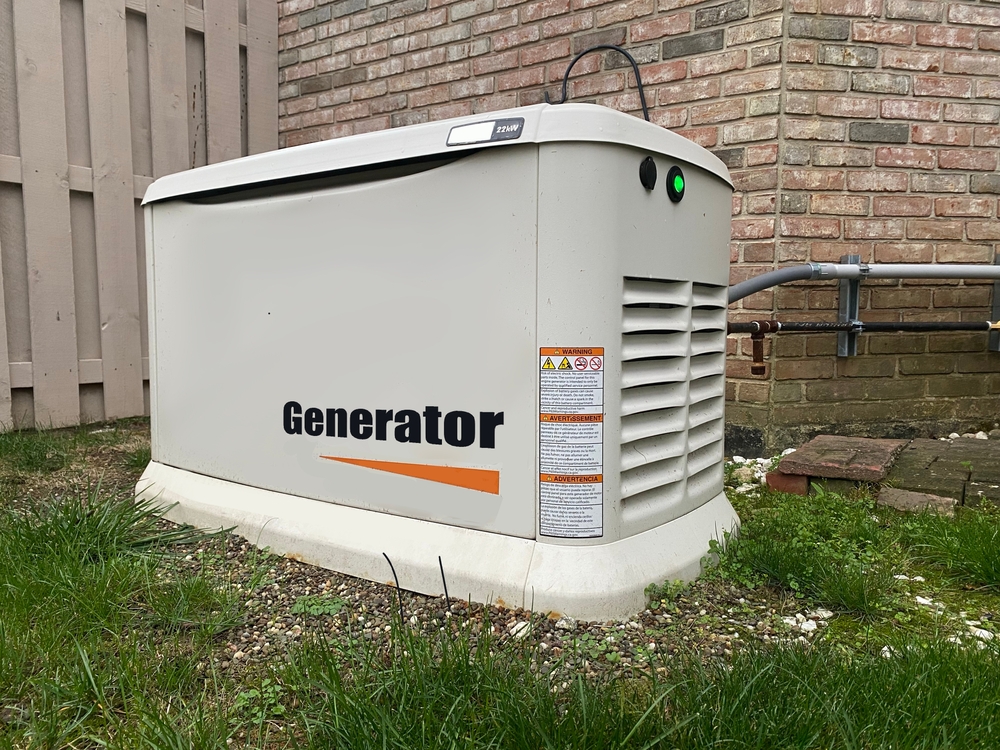
Generac generator services can help homeowners prepare for utility outages by providing properly planned backup power for selected circuits or broader household loads, depending on the system design. Generator sizing, transfer equipment, fuel considerations, placement, and electrical connections all need to work together for a safe installation.
For homes near wooded roads, Stevenson, Stepney, and other parts of the community, backup power may be worth considering when an outage would interrupt heating equipment, refrigeration, well-related equipment, home-office needs, or other essential loads.
Generator owners should also follow the manufacturer’s maintenance and testing requirements. A standby generator is most useful when it is maintained before severe weather arrives rather than discovered to have a problem during an outage.
Preventive Electrical Maintenance for Monroe Properties
Preventive electrical maintenance helps identify developing problems before they become emergency repairs or interfere with planned improvements. Local property owners can start with simple visual observations throughout the year and schedule professional evaluation when equipment behaves differently, shows damage, or no longer supports the property’s electrical needs.
Before Connecticut’s winter and storm seasons, homeowners can check accessible outlets and switches for damage, make sure electrical panels remain unobstructed, review generator readiness, and note recurring breaker trips.
DIY work should stop at observation and manufacturer-approved homeowner maintenance. Opening panels, modifying permanent wiring, replacing service equipment, or altering generator connections requires appropriate electrical expertise.
Common Electrical Mistakes to Avoid
The most common electrical mistakes involve treating symptoms instead of identifying their cause, which can leave Monroe property owners with recurring problems or additional safety concerns.
Mistake: Resetting a breaker repeatedly without investigating why it trips. Consequence: An overload, equipment problem, or electrical fault may continue. Better approach: Have repeated trips diagnosed.
Mistake: Adding major equipment without checking available electrical capacity. Consequence: The existing system may not be appropriate for the added load. Better approach: Evaluate the panel and service before installation.
Mistake: Waiting until an outage to check a standby generator. Consequence: A maintenance issue may appear when backup power is needed most. Better approach: Follow a regular inspection and maintenance schedule.
A Common Local Scenario
A common local scenario is a homeowner planning several electrical improvements at the same time, such as a kitchen renovation, new HVAC equipment, an EV charger, or standby generator. Each project may appear separate, but together they can substantially change the home’s electrical requirements.
Instead of treating every addition as an isolated job, evaluating the overall system first can reveal available capacity, panel limitations, circuit needs, and future considerations.
For a Fairfield County homeowner planning to stay in the property, that broader approach can reduce unnecessary rework and make future upgrades easier to plan.
Related Electrical Service Solutions
Electrical service solutions should match the actual condition, capacity, and goals of the property rather than relying on a one-size-fits-all recommendation. Depending on the issue, that may include electrical troubleshooting, wiring repairs, new circuits, panel work, service upgrades, generator installation, or generator maintenance.
Our goal is to identify what the system needs, explain the available options, and help property owners plan electrical work around current and future demands.
Comparing Repair, Upgrade, and Replacement Options
Repair is generally appropriate when a specific component or fault can be safely corrected, while an upgrade becomes more relevant when capacity or functionality no longer matches the property’s needs. Replacement may be appropriate when equipment condition, project scope, or system requirements make continued repair impractical.
For example, an isolated receptacle problem does not automatically mean a home needs a new panel. Likewise, adding substantial new electrical loads may require more than replacing individual devices.
A professional assessment helps Monroe homeowners distinguish between a focused repair and a broader electrical improvement.
Service Areas
Our electrical services support homeowners and property owners in Monroe and surrounding Fairfield County communities. Nearby areas include Trumbull, Easton, Shelton, Newtown, and communities around the Housatonic River corridor.
Service availability for a specific address or project should be confirmed when scheduling.
The Cost of Ignoring Electrical Problems
Ignoring an electrical problem can allow a manageable repair to become a larger safety, reliability, or property issue. Repeated breaker trips, overheating components, damaged wiring, and unreliable generator equipment should not simply become part of the normal routine of owning a home.
Waiting can also complicate renovations or equipment installations if inadequate electrical capacity is discovered after other work has begun.
Addressing warning signs early gives property owners more time to understand their options and schedule appropriate service rather than making decisions during an electrical failure.
Frequently Asked Questions About Electrical Services in Monroe, CT
Electrical service questions in Monroe commonly involve panel capacity, permits, generators, storm readiness, and knowing when a professional inspection is necessary. The answers below provide a practical starting point, although the correct recommendation for any property ultimately depends on its existing equipment, electrical loads, and planned improvements.
How do I know if my Monroe home needs an electrical panel upgrade?
A panel upgrade may be appropriate when your existing equipment lacks capacity for planned loads, shows condition-related concerns, or cannot reasonably support additional circuits. Frequent breaker trips can also justify an evaluation, but they do not automatically mean replacement is required. An electrician should diagnose the system before recommending an upgrade.
Do electrical projects require permits in Monroe, CT?
Some electrical projects require local permitting, and the Town of Monroe offers both residential and commercial electrical permit categories through its permitting system. Requirements depend on the work being performed. Permit needs should be confirmed for the specific project rather than assuming that every repair or installation follows the same process.
Is a standby generator useful for Connecticut storms?
A standby generator can be useful when losing utility power would interrupt important household equipment or create substantial inconvenience. Connecticut experiences storms and other weather conditions capable of causing outages, and Eversource maintains storm and outage resources for customers. Generator sizing should be based on the loads the homeowner actually wants to support.
Can I install an EV charger without upgrading my panel?
An EV charger does not automatically require a panel upgrade, because the answer depends on existing service capacity, current household loads, charger requirements, and system configuration. Monroe homeowners considering EV charging should have available electrical capacity evaluated before installation so the new load can be incorporated appropriately.
How often should a Generac standby generator be serviced?
A Generac standby generator should be maintained according to the schedule and procedures specified for the particular generator model and operating conditions. Rather than relying on a universal interval, owners should follow current manufacturer guidance and address fault indications or performance issues promptly, especially before seasons when Connecticut storms may increase outage risk.
What should I do if a breaker keeps tripping?
A repeatedly tripping breaker should be professionally evaluated instead of continuously reset. The cause could involve an overloaded circuit, connected equipment, wiring, or another electrical fault. Note what was operating when the trip occurred, but avoid opening the panel or modifying permanent wiring to troubleshoot the problem yourself.
What electrical problems require urgent service?
Burning odors, smoke, visible arcing, significant overheating, damaged service equipment, and exposed electrical hazards require urgent attention. During storms, stay away from fallen electrical wires and anything touching them. Eversource advises treating downed lines as energized and contacting emergency personnel when downed wires create an immediate hazard.
Should I plan electrical upgrades before renovating a Monroe home?
Yes, electrical planning should happen early when a renovation will add appliances, HVAC equipment, lighting, circuits, EV charging, or other substantial loads. Evaluating the system before construction can identify panel capacity, wiring, circuit, and permitting considerations while there is still time to incorporate necessary electrical work into the project efficiently.
Prepare Your Monroe Property for Reliable Power
A dependable electrical system starts with understanding the condition of your wiring, panel, circuits, and backup-power equipment before a problem forces an urgent decision. We help local property owners evaluate electrical needs and choose practical solutions for safer, more reliable power.
Protect Your Home With the Right Electrical Solution
From troubleshooting and wiring to panel upgrades and generator services, start with a professional assessment of what your property actually needs.
Power outages in Monroe can mean more than sitting in the dark for a few hours. A loss of electricity can affect heating systems, well pumps, refrigerators, sump pumps, internet access, home offices, and other equipment local families depend on every day.
For homeowners who want greater electrical reliability, a properly installed whole-home generator and an electrical system capable of supporting modern loads can work together as part of a more resilient home.
Quick answer:Whole-home generator installation provides automatic backup power for selected circuits or, when properly designed, much of the home during an outage. Electrical upgrades help make sure the service, panel, transfer equipment, wiring, and available capacity can safely support the home’s existing and future electrical needs. In Monroe, where residents experience New England thunderstorms, high winds, winter weather, falling limbs, and other conditions that can interrupt power, planning both systems together can provide a more complete solution.
What Local Homeowners Should Know
A whole-home generator should be sized according to the loads the homeowner actually wants to operate during an outage.
Older electrical panels or services may need evaluation before generator equipment or additional high-demand appliances are installed.
Connecticut storms can bring down trees and electrical lines, making backup power particularly useful for homes that depend on electricity for essential systems.
Monroe provides an online permitting process that includes residential electrical permits, so permitting should be considered as part of project planning.
Generator installation involves electrical and fuel considerations that go beyond simply purchasing a generator and placing it outside.
Why Whole-Home Generator and Electrical Planning Matters in Monroe
Whole-home generator and electrical planning matters in Monroe because backup power is only as useful as the electrical system supporting it. A generator, transfer equipment, electrical panel, service capacity, and critical household loads need to work as one properly designed system rather than as unrelated components.
Local homes range from established properties to newer construction, and their electrical needs can vary considerably. Some households need to maintain only heating equipment, refrigeration, lighting, and a well pump. Others may want to keep central air conditioning, home offices, electric cooking equipment, or additional appliances operating.
Monroe is also an eastern Fairfield County community with a distinctly suburban and wooded New England setting. Local destinations such as Wolfe Park, Great Hollow Lake, and Webb Mountain reflect the area’s wooded character. Routes 25 and 111 are major corridors through town, while many homes sit on quieter local roads where storm-related tree damage can affect access and utilities.
New England Electrical Contracting, Inc. helps homeowners evaluate generator installation and electrical upgrades as connected parts of the home’s overall power system. From that point forward, our focus is on identifying what the property needs and what electrical work may be required to support those goals.
Local Data and Field Conditions
Local conditions make electrical resilience worth considering because Connecticut homes are exposed to thunderstorms, high winds, hurricanes, snow, ice, and other weather capable of interrupting utility service. A severe July 2026 storm, for example, prompted Connecticut officials to warn residents about downed electrical lines and outages.
The Connecticut Department of Public Health also specifically addresses generator safety during power outages and warns that gasoline-powered generators produce dangerous carbon monoxide. State preparedness guidance instructs residents to operate emergency generators outdoors and away from doors, windows, and vents.
These conditions reinforce why generator location, transfer equipment, electrical connections, and overall system design should be planned carefully.
How Power Outages Affect Local Homes
Power outages can interrupt several essential systems in a Monroe home at the same time, especially when the property depends heavily on electricity. The practical impact depends on the home’s equipment, water source, heating system, drainage needs, and the duration of the outage.
An outage may affect refrigerators and freezers, heating controls, sump pumps, well pumps, garage doors, security equipment, medical devices, internet equipment, lighting, and home-office systems. During colder weather, even systems that use another fuel may still require electricity for controls, pumps, or blowers.
Backup power planning is therefore less about keeping every light on and more about identifying which loads protect comfort, safety, property, and normal household routines.
Warning Signs Your Electrical System May Need Attention
Electrical warning signs can indicate that a home’s existing panel, service, wiring, or circuits should be evaluated before additional equipment is added. Homeowners should pay particular attention when electrical problems become repetitive or appear after new appliances have been installed.
Common warning signs include:
Circuit breakers that trip repeatedly.
Lights that frequently flicker or dim when appliances start.
An electrical panel with little or no room for additional circuits.
Frequent reliance on extension cords or power strips.
Warm outlets, switches, or electrical equipment.
Buzzing, crackling, or unusual electrical odors.
Older equipment that has not been evaluated despite substantial changes to the home’s electrical demand.
Plans to add a generator, EV charger, heat pump, electric range, hot tub, or other significant load.
Burning odors, smoke, sparking, or overheated electrical components should be treated as immediate safety concerns rather than routine maintenance issues.
When to Call an Electrical Professional
A professional should evaluate the system whenever generator installation, service changes, panel modifications, transfer equipment, or permanent wiring are involved. Homeowners can identify which appliances they want to keep running and review their current electrical needs, but permanent electrical work requires proper system evaluation and installation.
A generator project may involve load calculations, equipment sizing, transfer equipment, circuit selection, service considerations, grounding and bonding requirements, and coordination with fuel equipment.
Local permitting matters as well. The Town of Monroe’s permitting system specifically lists residential electrical permits among the applications available online.
Common Reasons Electrical Upgrades Become Necessary
Electrical upgrades are commonly needed when the home’s existing system no longer matches the equipment and electrical demand placed on it. Generator installation may uncover these limitations because the project requires a closer look at the service, panel, circuits, and loads the homeowner expects to operate.
Common reasons include:
Older electrical equipment: Established homes may have panels or components designed for a different level of household electrical use.
Added appliances: Central air, electric cooking, heat pumps, finished basements, workshops, pools, and other additions can increase demand.
Future electrification: EV charging and additional electric appliances may change the amount of capacity a homeowner wants available.
Generator integration: Transfer equipment and generator connections must work properly with the home’s electrical distribution system.
Limited panel space: Even when overall capacity is adequate, available breaker positions and panel configuration can influence the project.
Generator and Electrical Maintenance
Preventive maintenance helps keep both backup-power equipment and the home’s electrical system ready before Connecticut’s storm seasons create an urgent need. Homeowners should follow generator manufacturer maintenance requirements and periodically look for visible electrical problems without opening panels or attempting energized repairs.
Before severe summer storms and again before winter, homeowners can confirm that generator access is clear, review fuel arrangements, test carbon monoxide alarms, and check that nothing has been placed around equipment that interferes with safe operation.
Connecticut preparedness guidance emphasizes keeping generators outdoors and away from openings where exhaust could enter the home. Electrical-panel repairs, transfer-switch work, wiring modifications, and generator connections should be left to qualified professionals.
What Homeowners Can Expect From a Properly Planned System
A properly planned generator and electrical system should provide predictable backup-power coverage based on the loads selected during the design process. The goal is not simply to install the largest generator available, but to match equipment and electrical infrastructure to the property’s actual priorities.
Some homeowners prioritize heating, refrigeration, water, lights, and communications. Others want broader coverage that includes air conditioning, cooking equipment, office systems, or additional household circuits.
Professional planning helps homeowners understand those tradeoffs before installation instead of discovering limitations during the first extended outage.
Common Generator Installation Mistakes
The most common generator mistakes involve poor sizing, unsafe placement, inadequate electrical planning, or assuming that every existing system can accept new equipment without modification. Avoiding these mistakes begins with evaluating the entire property rather than treating the generator as a standalone appliance.
Mistake: Choosing generator capacity without reviewing household loads. Consequence: The system may not support the equipment the homeowner expects. Better approach: Prioritize essential loads and size the system accordingly.
Mistake: Ignoring the existing electrical panel. Consequence: Necessary electrical work may be discovered late in the project. Better approach: Evaluate the panel and service during initial planning.
Mistake: Treating generator location as an afterthought. Consequence: Placement may conflict with safety, access, or installation requirements. Better approach: Plan electrical, fuel, exhaust, and service access together.
A Common Monroe Homeowner Scenario
A common Monroe generator project starts when a homeowner realizes that several essential systems stop working during the same outage. Imagine a household near the Route 25 corridor that needs refrigeration, heating controls, a well pump, internet equipment, and several lighting circuits available when utility power fails.
During evaluation, the homeowner may discover that generator sizing is only part of the project. The panel configuration, available capacity, transfer equipment, and selected circuits also influence the solution.
This is a representative local scenario, not a specific customer case study.
Related Electrical Service Solutions
Generator installation can be supported by several related electrical services depending on the condition and capacity of the home. These may include electrical panel upgrades, service changes, circuit additions, transfer equipment, load evaluation, wiring corrections, or other improvements identified during inspection.
Our role is to determine what is actually needed for the property instead of assuming that every generator project requires the same upgrades.
The right backup-power option depends on how much of the home you want to operate, how automatically you want the system to respond, and what electrical infrastructure is already available.
A portable generator can provide temporary power to selected equipment when properly and safely connected, but it generally requires more homeowner involvement. A permanently installed whole-home or standby system can provide automatic backup through transfer equipment and may support a broader set of circuits depending on system design.
For homeowners considering long-term outage readiness, evaluating both the generator and electrical infrastructure together usually provides a clearer picture of cost, capability, and future flexibility.
Service Areas Around Monroe
Our local electrical services can support homeowners in Monroe and surrounding communities where generator readiness and electrical capacity are concerns. Properties throughout eastern Fairfield County face many of the same seasonal weather and electrical-planning considerations.
Local projects may involve homes near Stepney, Stevenson, the Route 25 and Route 111 corridors, and neighboring communities throughout the area.
The Cost of Waiting on Electrical Problems
Ignoring electrical limitations can turn a planned generator project into a more complicated problem later, particularly if an outage exposes weaknesses that were already present. Waiting can also leave homeowners relying on temporary solutions during the exact weather conditions when electricians and generator services are in greatest demand.
Electrical upgrades do not need to be based on fear or guesswork. An evaluation can establish what the home already supports, what needs attention, and what can reasonably be planned for the future.
Do I need a permit for generator-related electrical work in Monroe, CT?
Electrical work associated with a generator may require local permitting depending on the scope of the installation. The Town of Monroe currently lists residential electrical permits through its online permitting system. Additional approvals may apply depending on the equipment and project details, so permitting requirements should be confirmed for the specific installation.
How large of a generator does my Monroe home need?
Generator size should be based on the electrical loads you want available during an outage, not simply the home’s square footage. Heating equipment, well pumps, refrigeration, air conditioning, cooking appliances, sump pumps, and other loads can significantly affect sizing. A load evaluation helps determine an appropriate configuration.
Can a whole-home generator run everything in my house?
A whole-home generator may support many or most household loads when the system is designed for them, but capacity varies by installation. Homeowners should identify which equipment is essential and which loads can be managed during an outage. Generator capacity and electrical-system design determine what can operate simultaneously.
Why might my electrical panel need upgrading before generator installation?
A panel may need attention if it lacks adequate capacity, space, compatible equipment, or an appropriate configuration for the proposed generator system. Homes in the Monroe area vary considerably in age and electrical layout, so the existing panel should be evaluated rather than assuming it is automatically ready for generator integration.
Are whole-home generators useful during Connecticut winter storms?
Yes, backup generators can be especially useful when winter weather causes an extended electrical outage and the home depends on electricity for critical systems. Heating controls, circulation equipment, well pumps, refrigerators, lighting, and communications may all require power even when the home’s primary heating fuel is not electricity.
Where should a generator be installed around a Monroe home?
Generator placement should account for manufacturer requirements, exhaust safety, electrical connections, fuel equipment, property conditions, and applicable codes. Connecticut safety guidance stresses operating generators outdoors and away from doors, windows, and vents because generator exhaust can contain dangerous carbon monoxide.
Should I upgrade my electrical panel if I plan to add an EV charger later?
Future EV charging is worth including in electrical planning because it can add a significant new household load. If generator work or other electrical improvements are already being considered, reviewing future EV charging, heat pumps, electric cooking, or similar upgrades can help homeowners avoid planning the electrical system around today’s needs alone.
Is a portable generator the same as a whole-home standby generator?
No, portable and permanently installed standby generators differ in connection methods, operation, capacity, and convenience. Portable units generally require more manual setup and careful operating procedures. Permanently installed systems can be configured for automatic transfer when utility power fails, depending on the equipment and installation.
Build a More Resilient Electrical System for Your Monroe Home
Backup power works best when the generator and the home’s electrical system are planned together. For Monroe homeowners preparing for storms, outages, new electrical loads, or future upgrades, New England Electrical Contracting, Inc. can help identify the electrical work needed for a safer, more practical long-term solution.
Home renovations across Fairfield County often uncover outdated wiring, overloaded panels, or code issues that are not visible at first glance. Whether you are updating a historic home in Monroe or remodeling a newer property in Trumbull, electrical work plays a central role in safety and long-term performance.
Quick Answer
Hiring a licensed electrician for your Fairfield County home renovation ensures your electrical system is safe, code-compliant, and built to handle modern energy demands. Licensed professionals understand Connecticut regulations, local inspection requirements, and the unique challenges of older homes common throughout towns like Monroe, Shelton, and Newtown.
What Local Readers Should Know
Many homes in Fairfield County were built before modern electrical standards and may require panel upgrades or rewiring.
Eversource service requirements and local permitting rules impact how electrical work must be completed.
Renovations often increase electrical demand with appliances, EV chargers, and smart home systems.
Connecticut building codes require licensed professionals for most electrical work.
Seasonal weather patterns like coastal humidity and winter storms can affect electrical systems over time.
Why this matters locally
Fairfield County has a mix of historic colonials, mid-century homes, and newer developments. In areas like Monroe, Easton, and Bridgeport, older wiring systems such as knob-and-tube or aluminum wiring may still be present. Renovations that add kitchens, finished basements, or home offices place additional strain on these systems.
Local permitting offices in towns like Trumbull and Newtown also require inspections that must be completed by licensed electricians. Failing to meet these standards can delay your renovation or lead to costly rework.
At New England Electrical Contracting, Inc., we work with homeowners throughout Monroe and surrounding communities to ensure renovation projects meet local codes and function safely for years to come.
Local Data or Field Observations
Based on field experience in Fairfield County, many renovation projects reveal undersized electrical panels, outdated grounding systems, or circuits that are not designed for modern usage. Homes near the Housatonic River or coastal areas like Stratford may also experience higher humidity, which can impact electrical components over time.
Local Impact
Electrical issues during a renovation can affect more than just convenience. In Fairfield County homes, they can lead to:
Failed inspections that delay project timelines
Increased risk of electrical fires
Inconsistent power to appliances and HVAC systems
Reduced home value during resale in competitive markets like Westport and Fairfield
Warning Signs
Here are common signs your renovation may require a licensed electrician:
Frequently tripping breakers when adding new appliances
Flickering lights after installing new fixtures
Outlets that feel warm or show discoloration
Lack of GFCI or AFCI protection in kitchens and bathrooms
Limited panel capacity for new circuits
Presence of old wiring types in walls or ceilings
Extension cords being used as permanent solutions
When to Call a Professional
You should call a licensed electrician as soon as your renovation plans include electrical changes. While homeowners can safely handle cosmetic updates like changing light fixtures, anything involving wiring, panels, or new circuits requires professional service.
In Fairfield County, attempting unlicensed electrical work can fail inspections and create liability issues, especially during resale or insurance claims.
Common Local Causes
1. Aging Electrical Systems
Older homes in Monroe and Easton often have outdated wiring that cannot support modern loads.
2. Increased Power Demand
Renovations frequently add high-demand appliances, EV chargers, or home offices.
3. Code Updates
Connecticut electrical codes evolve, and older systems may no longer meet current standards.
4. Moisture and Weather Exposure
Coastal humidity and seasonal storms across Fairfield County can degrade wiring and connections.
5. DIY or Previous Work
Improper past installations are commonly uncovered during renovations.
Prevention and Maintenance
To avoid electrical issues during your renovation:
Schedule an electrical inspection before construction begins
Upgrade panels early in the project if needed
Plan for future electrical needs, not just current ones
Install surge protection to handle storms common in the region
When you hire a licensed electrician for your renovation, you can expect:
Safe and code-compliant installations
Reliable power distribution for modern appliances
Smooth inspections and approvals
Improved energy efficiency and system performance
Long-term peace of mind for your home
Common Mistakes
Mistake: Hiring unlicensed contractors for electrical work Consequence: Failed inspections and safety risks Better approach: Always use a licensed electrician familiar with Fairfield County codes
Mistake: Skipping panel upgrades Consequence: Overloaded circuits and frequent outages Better approach: Evaluate panel capacity early in the renovation
Mistake: Planning only for current needs Consequence: Limited capacity for future upgrades Better approach: Design systems with expansion in mind
Common Local Scenario
A homeowner in Monroe begins a kitchen renovation and discovers their existing panel cannot support new appliances. During the upgrade process, outdated wiring is also found behind the walls. Addressing these issues early prevents inspection delays and ensures the new kitchen operates safely and efficiently.
Related Service Solutions
Licensed electricians provide services that directly support renovation success, including:
DIY vs. Professional:
DIY may work for minor fixture changes, but professional service is required for wiring, panels, and code compliance.
Repair vs. Replacement:
Older systems often benefit more from replacement to meet modern demands.
Short-term Fix vs. Long-term Solution:
Temporary fixes may pass inspection but fail under increased load. A full upgrade ensures reliability.
Service Areas
We proudly serve homeowners in Monroe, CT along with nearby communities like Trumbull, Shelton, Newtown, and across Fairfield County. Our team understands the local building requirements and housing styles common throughout the region.
Cost of Ignoring the Issue
Delaying electrical upgrades during a renovation can lead to failed inspections, higher repair costs, and safety hazards. In competitive housing markets like Fairfield County, unresolved electrical issues can also impact property value and buyer confidence.
Do I need a licensed electrician for renovations in Monroe, CT?
Yes, most electrical work in Monroe requires a licensed electrician to meet Connecticut code and pass local inspections. This ensures safety and compliance throughout your renovation.
How do I know if my Fairfield County home needs a panel upgrade?
You likely need a panel upgrade if your breakers trip frequently, your home has an older panel, or you are adding high-demand appliances during your renovation.
Are electrical permits required in Fairfield County towns like Trumbull or Newtown?
Yes, permits are typically required for electrical work. A licensed electrician will handle the permitting process and ensure inspections are completed properly.
What types of wiring issues are common in older Monroe homes?
Older homes may have outdated wiring such as knob-and-tube or aluminum wiring, which can pose safety risks and may need replacement during renovations.
Can I do any electrical work myself during a renovation?
You can handle minor tasks like changing light fixtures, but wiring, panel work, and new circuits should always be done by a licensed professional.
How long does an electrical upgrade take in Fairfield County?
The timeline depends on the scope of work, but most upgrades can be completed within a few days, followed by inspection approval.
Does weather in Fairfield County affect electrical systems?
Yes, humidity, storms, and seasonal changes can impact electrical components, making proper installation and protection important.
Will upgrading my electrical system increase home value in Monroe?
Yes, modern and code-compliant electrical systems are a strong selling point in Fairfield County real estate markets.
Closing
A successful home renovation depends on more than just design and materials. In Fairfield County, safe and reliable electrical work is essential to protect your investment and ensure your home functions as intended.
Upgrade Your Renovation with Safe, Code-Compliant Electrical Work
Historic architecture, mature landscaping, and tight-knit neighborhoods make Fairfield County, Connecticut one of the most desirable places to live in the Northeast. But beneath the surface of many of these beautiful homes lies an electrical system that has not kept pace with the demands of modern living. From aging panels to overloaded circuits, the warning signs are often subtle until they are not. Knowing when to call a licensed electrician can mean the difference between a minor inconvenience and a serious safety hazard.
Commercial-grade electrical upgrades are no longer reserved for office buildings and retail spaces. Homeowners across Fairfield County are increasingly turning to commercial electrical contractors to bring their residential systems up to a standard that can handle today’s energy-intensive lifestyles. Here are the top five signs that your home may be due for exactly that kind of upgrade.
1. Your Electrical Panel Is Outdated or Undersized
The electrical panel is the heart of your home’s power system. If your home was built before the 1980s and has never had an electrical panel upgrade, there is a strong chance it was designed to handle far less electricity than you currently consume. Older panels, particularly those with fuse boxes instead of circuit breakers, were never intended to support smart home systems, electric vehicle chargers, or the array of high-draw appliances that most families rely on today.
In Monroe, CT, and throughout the broader Fairfield County region, many homes still operate on panels rated at 100 amps or less. Modern households, especially those with home offices, multiple televisions, gaming systems, and kitchen appliances running simultaneously, often require 200 amps or more. When a panel cannot keep up, it trips repeatedly, delivers inconsistent power, or worse, begins to generate heat that can damage wiring behind your walls. A licensed electrician can assess your current panel and recommend whether an upgrade to a commercial-grade panel is the right solution for your specific load requirements.
2. Flickering Lights and Frequent Circuit Breaker Trips
Occasional flickering when a large appliance kicks on is fairly common. But if your lights dim or flicker regularly, or if your breakers trip every time you run the microwave and the toaster at the same time, your system is telling you something important. These are not just nuisances. They are symptoms of an electrical system working harder than it should.
Frequent breaker trips are often a sign that your circuits are overloaded, which means more current is flowing through them than they were designed to handle. Over time, this kind of stress can degrade wiring insulation, loosen connections, and create genuine fire risks. For homeowners in Fairfield County who have been putting off addressing these issues, the cumulative wear can be significant. Residential rewiring, combined with a panel upgrade, is often the most comprehensive fix. Commercial electrical contractors who specialize in high-capacity residential work can rewire affected areas while also future-proofing the system for the appliances and devices you plan to add in the coming years.
3. Your Home Has Aluminum Wiring or Knob-and-Tube Systems
Homes built between the late 1800s and the mid-20th century across Connecticut often contain knob-and-tube wiring, and some properties built into the 1970s used aluminum wiring as a cost-saving measure. Both of these systems present serious concerns by today’s safety standards.
Knob-and-tube wiring lacks a ground wire, which means it cannot support three-prong outlets or protect against surges the way modern systems can. It is also far more susceptible to damage from insulation contact, pests, and vibration over time. Aluminum wiring, while not inherently dangerous when properly maintained, expands and contracts differently than copper and can loosen connections at outlets and switches, creating hot spots that are a known fire hazard.
If you have either of these systems in your Fairfield County home, a full residential rewiring project may be necessary. A licensed electrician with experience in older Connecticut homes will be able to evaluate the extent of the issue and recommend the safest and most cost-effective path forward. In many cases, bringing in commercial electrical contractors ensures access to a larger crew and more specialized equipment, which can reduce the disruption to your home during a major rewiring project.
4. You Are Adding High-Load Features to Your Home
Homeowners throughout Fairfield County are investing heavily in upgrades that significantly increase electrical demand. Electric vehicle charging stations, whole-home generators, air-source heat pumps, hot tubs, home theaters, and large workshop equipment are just a few examples of additions that standard residential electrical systems are often not equipped to handle.
If you are planning any of these upgrades, or if you have already added them and noticed performance issues, it is time to have your system evaluated. Running a Level 2 EV charger, for example, requires a dedicated 240-volt circuit with substantial amperage capacity. A whole-home generator requires proper transfer switch installation to prevent dangerous backfeed into the grid. These are not jobs for a basic residential service call. They require the expertise and capacity that commercial electrical contractors bring to the table.
In Monroe, CT, and neighboring towns like Newtown, Trumbull, and Shelton, licensed electricians who work across both commercial and residential sectors are increasingly in demand precisely because homeowners are making these kinds of substantial upgrades. Getting this work done correctly from the start protects your investment and keeps your household safe.
5. You Have Noticed Burning Smells, Warm Outlets, or Discoloration Around Switches
This one is non-negotiable. If you smell burning near your outlets or electrical panel, notice that a wall plate feels warm to the touch, or see discoloration or scorch marks around a switch or receptacle, you need emergency electrical services immediately. These are not signs of a system that simply needs a minor adjustment. They are signs of active electrical failure.
Burning smells and heat near electrical components indicate arcing, which occurs when electricity jumps across a gap in a connection or damaged wiring. Arcing can ignite surrounding materials in seconds, and it is one of the leading causes of house fires in Connecticut and across the country. Discoloration on outlet covers often indicates that arcing or overheating has already occurred, even if it was brief.
Do not wait to schedule a routine appointment if you experience any of these symptoms. Call for emergency electrical services right away and avoid using the affected outlets or switches until a licensed electrician has inspected and cleared the area. After the immediate hazard is addressed, a comprehensive assessment will almost certainly reveal whether a larger electrical panel upgrade or partial residential rewiring is needed to prevent a recurrence.
Protect Your Home Before a Small Problem Becomes a Big One
Fairfield County homeowners have a lot to protect, and a failing electrical system puts everything at risk. Whether your home is showing one of these warning signs or all five, the right move is to consult with a licensed electrician who understands the unique demands of older Connecticut homes and the increasingly complex energy needs of modern households.
Reaching out to commercial electrical contractors for residential work gives you access to deeper expertise, better equipment, and a higher standard of installation. From Monroe, CT, to Greenwich and everywhere in between, the right electrical partner can assess your current system, outline a clear upgrade path, and make sure your home is powered safely for decades to come. Do not wait for a serious incident to take action. The time to upgrade is now.
Monroe, CT is one of those rare Connecticut towns that manages to blend small-town charm with genuine suburban convenience. Nestled in Fairfield County, this tight-knit community has seen steady residential growth over the past few decades, and with that growth comes an increasing demand for reliable, modern electrical infrastructure. Whether you live near the shops along Main Street, Monroe, or in one of the quiet neighborhoods tucked into the wooded hillsides, your home’s electrical system is the backbone of daily life. Keeping it safe, efficient, and up to code is not just a matter of comfort; it is a matter of safety.
Professional electrical services are not a luxury reserved for new construction or commercial properties. They are an essential investment for every homeowner in Monroe and throughout Fairfield County. From aging wiring to overloaded panels, the electrical challenges facing Connecticut homes are real, and the consequences of ignoring them can be severe.
The Hidden Dangers of Outdated Electrical Systems
Many homes in Monroe, CT were built during the mid-twentieth century, a time when electrical standards were far less demanding than they are today. Back then, households powered a fraction of the devices and appliances that are now considered standard. Televisions, computers, smart home systems, electric vehicle chargers, and high-efficiency HVAC units all draw significant power, and older electrical systems simply were not designed to handle those loads.
One of the most common issues electrical contractors encounter in Fairfield County homes is an outdated panel that cannot support modern power demands. A panel that was sufficient for a 1960s or 1970s household may be dangerously inadequate today. When a system is pushed beyond its capacity, the risk of overheating, tripped breakers, and even electrical fires increases significantly.
Aluminum wiring, which was widely used in residential construction during the 1960s and 1970s due to copper shortages, presents another serious concern. Over time, aluminum wiring can loosen at connections and oxidize, creating fire hazards that are not always visible to the untrained eye. A licensed electrician in Monroe can assess whether your home contains aluminum wiring and recommend the appropriate remediation.
Knob-and-tube wiring, found in even older homes, is another red flag. This system lacks a grounding conductor, which means it offers no protection against surges or faults. Homeowners with knob-and-tube wiring often find that insurance companies either refuse to cover their homes or charge significantly higher premiums. Having a qualified electrician perform an upgrade is often the most practical path forward.
What Professional Electrical Services Include
When Monroe, CT homeowners think about electrical services, they often picture simple repairs, replacing an outlet, fixing a flickering light, or resetting a breaker. While those tasks are certainly part of the picture, professional electrical contractors offer a much broader range of services that can dramatically improve the safety, efficiency, and value of a home.
Panel upgrades are among the most impactful services available. A modern 200-amp panel can handle the electrical demands of a contemporary household with ease, whereas older 60-amp or 100-amp panels often fall short. If your breakers trip frequently, if you rely on extension cords throughout the house, or if you are planning to add a major appliance or home addition, a panel upgrade should be at the top of your list.
Whole-home surge protection is another service that Fairfield County homeowners are increasingly requesting. Connecticut experiences a fair number of thunderstorms each year, and a single power surge can destroy thousands of dollars worth of electronics in an instant. A whole-home surge protector, installed by a licensed electrician, provides a layer of defense that individual power strips simply cannot match.
EV charging station installation has become a major category of residential electrical work as well. As more Monroe residents make the switch to electric vehicles, the demand for dedicated Level 2 charging circuits has grown considerably. A certified electrician can assess your panel capacity, install the proper wiring, and ensure the setup meets all local code requirements.
Outdoor lighting, generator hookups, bathroom and kitchen circuit additions, and smart home wiring are all part of the full spectrum of services that professional electrical contractors in Monroe, CT can provide. Whatever your project involves, working with licensed professionals ensures the work is done safely and to code.
Choosing the Right Electrician in Monroe, CT
Finding a trustworthy electrician in Monroe is not as simple as searching online and picking the first name that appears. Fairfield County has no shortage of contractors, but not all of them bring the same level of expertise, licensing, and local knowledge to the job.
The first thing to verify is licensure. In Connecticut, electricians must be licensed by the state, and the work they perform must comply with the Connecticut State Building Code as well as the National Electrical Code. Hiring an unlicensed contractor might seem like a way to save money upfront, but it can result in failed inspections, voided insurance policies, and unsafe conditions that put your family at risk.
Experience with local permitting is another important factor. Monroe has its own permitting requirements, and a contractor who regularly works in Fairfield County will be familiar with the process. This familiarity can save time and prevent costly delays on your project.
Local reputation matters too. An electrician who has served the Monroe community for years will have a track record you can research. Ask neighbors, check reviews, and do not hesitate to request references. A contractor who is proud of their work will have no problem connecting you with past clients.
Insurance and bonding are non-negotiables. Any professional electrical contractor working in your home should carry both liability insurance and workers compensation coverage. This protects you from financial responsibility if something goes wrong during the job.
Finally, look for an electrician who communicates clearly and provides written estimates. Vague quotes and verbal agreements leave too much room for misunderstanding. A professional will walk you through the scope of the work, explain the timeline, and put the pricing in writing before any work begins.
Why Monroe Homeowners Should Prioritize Electrical Upgrades Now
There is rarely a convenient time to invest in home infrastructure, but there are compelling reasons why Monroe, CT homeowners should not put off electrical upgrades any longer. The cost of inaction tends to be higher than the cost of improvement, both financially and in terms of safety.
Home values in Fairfield County have remained strong, and buyers are increasingly savvy about what they are looking at when they tour a property. An updated electrical panel, modern wiring, and permitted improvements signal to potential buyers that a home has been well maintained. Conversely, outdated systems can be deal-breakers or serious negotiating leverage for buyers who know they will need to invest in repairs after closing.
Energy efficiency is another compelling reason to act. Older electrical systems often operate less efficiently, and modernizing them can lead to lower utility bills over time. When combined with energy-efficient appliances and lighting, an upgraded electrical system can make a meaningful difference in a household’s monthly costs.
The safety argument is perhaps the most urgent. Electrical fires account for a significant percentage of residential structure fires in the United States each year. Many of those fires are preventable with proper inspections and timely upgrades. For families living in Monroe, protecting your home from preventable disaster is reason enough to pick up the phone and schedule an assessment with a licensed electrician.
Permit requirements are also worth considering. If you plan to sell your home, add a room, or finish a basement, work that was done without proper permits can create serious complications. Getting ahead of these issues now, with the help of experienced electrical contractors, puts you in a much stronger position.
Conclusion
Monroe, CT is a wonderful place to call home, and the residents who invest in their properties help maintain the character and quality of the entire community. Professional electrical services are one of the most important investments a Fairfield County homeowner can make. From panel upgrades to surge protection, from EV charger installation to full rewiring projects, the right electrician in Monroe can transform the safety and functionality of your home. Do not wait for a warning sign to take action. Reach out to qualified electrical contractors in Monroe today and make sure your home is powered for the future.