

Why Whole-Home Generator Installation & Electrical Upgrades Are Essential for Monroe Homes: A Guide by New England Electrical Contracting
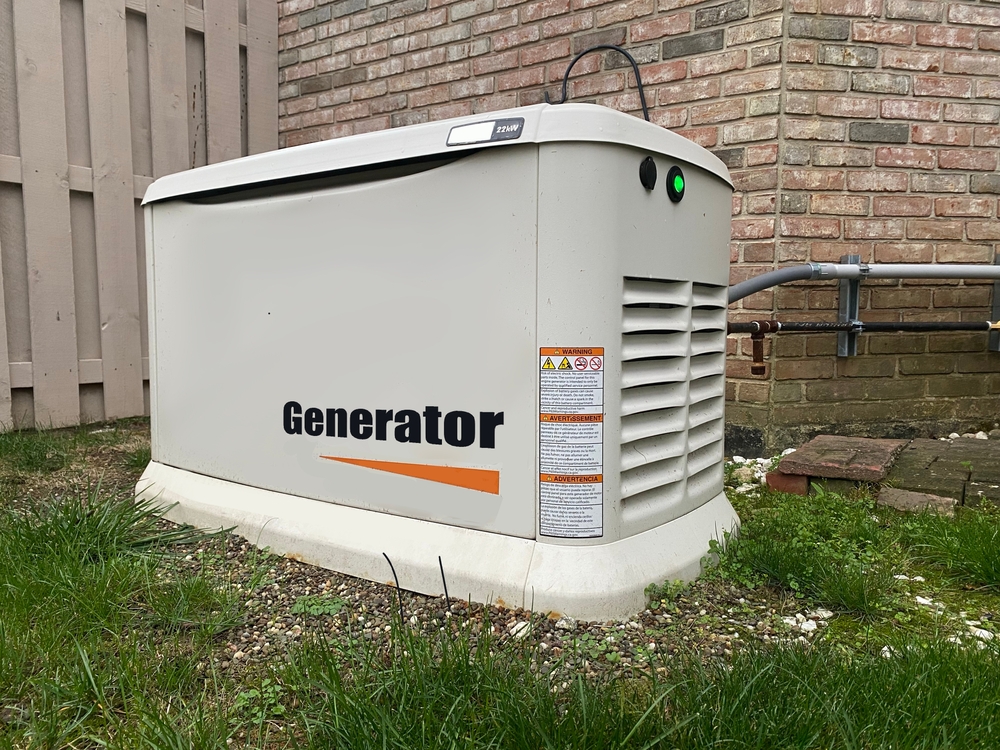
Power outages in Monroe can mean more than sitting in the dark for a few hours. A loss of electricity can affect heating systems, well pumps, refrigerators, sump pumps, internet access, home offices, and other equipment local families depend on every day.
For homeowners who want greater electrical reliability, a properly installed whole-home generator and an electrical system capable of supporting modern loads can work together as part of a more resilient home.
Quick answer: Whole-home generator installation provides automatic backup power for selected circuits or, when properly designed, much of the home during an outage. Electrical upgrades help make sure the service, panel, transfer equipment, wiring, and available capacity can safely support the home’s existing and future electrical needs. In Monroe, where residents experience New England thunderstorms, high winds, winter weather, falling limbs, and other conditions that can interrupt power, planning both systems together can provide a more complete solution.
What Local Homeowners Should Know
-
A whole-home generator should be sized according to the loads the homeowner actually wants to operate during an outage.
-
Older electrical panels or services may need evaluation before generator equipment or additional high-demand appliances are installed.
-
Connecticut storms can bring down trees and electrical lines, making backup power particularly useful for homes that depend on electricity for essential systems.
-
Monroe provides an online permitting process that includes residential electrical permits, so permitting should be considered as part of project planning.
-
Generator installation involves electrical and fuel considerations that go beyond simply purchasing a generator and placing it outside.
Why Whole-Home Generator and Electrical Planning Matters in Monroe
Whole-home generator and electrical planning matters in Monroe because backup power is only as useful as the electrical system supporting it. A generator, transfer equipment, electrical panel, service capacity, and critical household loads need to work as one properly designed system rather than as unrelated components.
Local homes range from established properties to newer construction, and their electrical needs can vary considerably. Some households need to maintain only heating equipment, refrigeration, lighting, and a well pump. Others may want to keep central air conditioning, home offices, electric cooking equipment, or additional appliances operating.
Monroe is also an eastern Fairfield County community with a distinctly suburban and wooded New England setting. Local destinations such as Wolfe Park, Great Hollow Lake, and Webb Mountain reflect the area’s wooded character. Routes 25 and 111 are major corridors through town, while many homes sit on quieter local roads where storm-related tree damage can affect access and utilities.
New England Electrical Contracting, Inc. helps homeowners evaluate generator installation and electrical upgrades as connected parts of the home’s overall power system. From that point forward, our focus is on identifying what the property needs and what electrical work may be required to support those goals.
Local Data and Field Conditions
Local conditions make electrical resilience worth considering because Connecticut homes are exposed to thunderstorms, high winds, hurricanes, snow, ice, and other weather capable of interrupting utility service. A severe July 2026 storm, for example, prompted Connecticut officials to warn residents about downed electrical lines and outages.
The Connecticut Department of Public Health also specifically addresses generator safety during power outages and warns that gasoline-powered generators produce dangerous carbon monoxide. State preparedness guidance instructs residents to operate emergency generators outdoors and away from doors, windows, and vents.
These conditions reinforce why generator location, transfer equipment, electrical connections, and overall system design should be planned carefully.
How Power Outages Affect Local Homes
Power outages can interrupt several essential systems in a Monroe home at the same time, especially when the property depends heavily on electricity. The practical impact depends on the home’s equipment, water source, heating system, drainage needs, and the duration of the outage.
An outage may affect refrigerators and freezers, heating controls, sump pumps, well pumps, garage doors, security equipment, medical devices, internet equipment, lighting, and home-office systems. During colder weather, even systems that use another fuel may still require electricity for controls, pumps, or blowers.
Backup power planning is therefore less about keeping every light on and more about identifying which loads protect comfort, safety, property, and normal household routines.
Warning Signs Your Electrical System May Need Attention
Electrical warning signs can indicate that a home’s existing panel, service, wiring, or circuits should be evaluated before additional equipment is added. Homeowners should pay particular attention when electrical problems become repetitive or appear after new appliances have been installed.
Common warning signs include:
-
Circuit breakers that trip repeatedly.
-
Lights that frequently flicker or dim when appliances start.
-
An electrical panel with little or no room for additional circuits.
-
Frequent reliance on extension cords or power strips.
-
Warm outlets, switches, or electrical equipment.
-
Buzzing, crackling, or unusual electrical odors.
-
Older equipment that has not been evaluated despite substantial changes to the home’s electrical demand.
-
Plans to add a generator, EV charger, heat pump, electric range, hot tub, or other significant load.
Burning odors, smoke, sparking, or overheated electrical components should be treated as immediate safety concerns rather than routine maintenance issues.
When to Call an Electrical Professional
A professional should evaluate the system whenever generator installation, service changes, panel modifications, transfer equipment, or permanent wiring are involved. Homeowners can identify which appliances they want to keep running and review their current electrical needs, but permanent electrical work requires proper system evaluation and installation.
A generator project may involve load calculations, equipment sizing, transfer equipment, circuit selection, service considerations, grounding and bonding requirements, and coordination with fuel equipment.
Local permitting matters as well. The Town of Monroe’s permitting system specifically lists residential electrical permits among the applications available online.
Common Reasons Electrical Upgrades Become Necessary
Electrical upgrades are commonly needed when the home’s existing system no longer matches the equipment and electrical demand placed on it. Generator installation may uncover these limitations because the project requires a closer look at the service, panel, circuits, and loads the homeowner expects to operate.
Common reasons include:
-
Older electrical equipment: Established homes may have panels or components designed for a different level of household electrical use.
-
Added appliances: Central air, electric cooking, heat pumps, finished basements, workshops, pools, and other additions can increase demand.
-
Future electrification: EV charging and additional electric appliances may change the amount of capacity a homeowner wants available.
-
Generator integration: Transfer equipment and generator connections must work properly with the home’s electrical distribution system.
-
Limited panel space: Even when overall capacity is adequate, available breaker positions and panel configuration can influence the project.
Generator and Electrical Maintenance
Preventive maintenance helps keep both backup-power equipment and the home’s electrical system ready before Connecticut’s storm seasons create an urgent need. Homeowners should follow generator manufacturer maintenance requirements and periodically look for visible electrical problems without opening panels or attempting energized repairs.
Before severe summer storms and again before winter, homeowners can confirm that generator access is clear, review fuel arrangements, test carbon monoxide alarms, and check that nothing has been placed around equipment that interferes with safe operation.
Connecticut preparedness guidance emphasizes keeping generators outdoors and away from openings where exhaust could enter the home. Electrical-panel repairs, transfer-switch work, wiring modifications, and generator connections should be left to qualified professionals.
What Homeowners Can Expect From a Properly Planned System
A properly planned generator and electrical system should provide predictable backup-power coverage based on the loads selected during the design process. The goal is not simply to install the largest generator available, but to match equipment and electrical infrastructure to the property’s actual priorities.
Some homeowners prioritize heating, refrigeration, water, lights, and communications. Others want broader coverage that includes air conditioning, cooking equipment, office systems, or additional household circuits.
Professional planning helps homeowners understand those tradeoffs before installation instead of discovering limitations during the first extended outage.
Common Generator Installation Mistakes
The most common generator mistakes involve poor sizing, unsafe placement, inadequate electrical planning, or assuming that every existing system can accept new equipment without modification. Avoiding these mistakes begins with evaluating the entire property rather than treating the generator as a standalone appliance.
Mistake: Choosing generator capacity without reviewing household loads.
Consequence: The system may not support the equipment the homeowner expects.
Better approach: Prioritize essential loads and size the system accordingly.
Mistake: Ignoring the existing electrical panel.
Consequence: Necessary electrical work may be discovered late in the project.
Better approach: Evaluate the panel and service during initial planning.
Mistake: Treating generator location as an afterthought.
Consequence: Placement may conflict with safety, access, or installation requirements.
Better approach: Plan electrical, fuel, exhaust, and service access together.
A Common Monroe Homeowner Scenario
A common Monroe generator project starts when a homeowner realizes that several essential systems stop working during the same outage. Imagine a household near the Route 25 corridor that needs refrigeration, heating controls, a well pump, internet equipment, and several lighting circuits available when utility power fails.
During evaluation, the homeowner may discover that generator sizing is only part of the project. The panel configuration, available capacity, transfer equipment, and selected circuits also influence the solution.
This is a representative local scenario, not a specific customer case study.
Related Electrical Service Solutions
Generator installation can be supported by several related electrical services depending on the condition and capacity of the home. These may include electrical panel upgrades, service changes, circuit additions, transfer equipment, load evaluation, wiring corrections, or other improvements identified during inspection.
Our role is to determine what is actually needed for the property instead of assuming that every generator project requires the same upgrades.
Comparing Your Backup-Power Options
The right backup-power option depends on how much of the home you want to operate, how automatically you want the system to respond, and what electrical infrastructure is already available.
A portable generator can provide temporary power to selected equipment when properly and safely connected, but it generally requires more homeowner involvement. A permanently installed whole-home or standby system can provide automatic backup through transfer equipment and may support a broader set of circuits depending on system design.
For homeowners considering long-term outage readiness, evaluating both the generator and electrical infrastructure together usually provides a clearer picture of cost, capability, and future flexibility.
Service Areas Around Monroe
Our local electrical services can support homeowners in Monroe and surrounding communities where generator readiness and electrical capacity are concerns. Properties throughout eastern Fairfield County face many of the same seasonal weather and electrical-planning considerations.
Local projects may involve homes near Stepney, Stevenson, the Route 25 and Route 111 corridors, and neighboring communities throughout the area.
The Cost of Waiting on Electrical Problems
Ignoring electrical limitations can turn a planned generator project into a more complicated problem later, particularly if an outage exposes weaknesses that were already present. Waiting can also leave homeowners relying on temporary solutions during the exact weather conditions when electricians and generator services are in greatest demand.
Electrical upgrades do not need to be based on fear or guesswork. An evaluation can establish what the home already supports, what needs attention, and what can reasonably be planned for the future.
Frequently Asked Questions
Do I need a permit for generator-related electrical work in Monroe, CT?
Electrical work associated with a generator may require local permitting depending on the scope of the installation. The Town of Monroe currently lists residential electrical permits through its online permitting system. Additional approvals may apply depending on the equipment and project details, so permitting requirements should be confirmed for the specific installation.
How large of a generator does my Monroe home need?
Generator size should be based on the electrical loads you want available during an outage, not simply the home’s square footage. Heating equipment, well pumps, refrigeration, air conditioning, cooking appliances, sump pumps, and other loads can significantly affect sizing. A load evaluation helps determine an appropriate configuration.
Can a whole-home generator run everything in my house?
A whole-home generator may support many or most household loads when the system is designed for them, but capacity varies by installation. Homeowners should identify which equipment is essential and which loads can be managed during an outage. Generator capacity and electrical-system design determine what can operate simultaneously.
Why might my electrical panel need upgrading before generator installation?
A panel may need attention if it lacks adequate capacity, space, compatible equipment, or an appropriate configuration for the proposed generator system. Homes in the Monroe area vary considerably in age and electrical layout, so the existing panel should be evaluated rather than assuming it is automatically ready for generator integration.
Are whole-home generators useful during Connecticut winter storms?
Yes, backup generators can be especially useful when winter weather causes an extended electrical outage and the home depends on electricity for critical systems. Heating controls, circulation equipment, well pumps, refrigerators, lighting, and communications may all require power even when the home’s primary heating fuel is not electricity.
Where should a generator be installed around a Monroe home?
Generator placement should account for manufacturer requirements, exhaust safety, electrical connections, fuel equipment, property conditions, and applicable codes. Connecticut safety guidance stresses operating generators outdoors and away from doors, windows, and vents because generator exhaust can contain dangerous carbon monoxide.
Should I upgrade my electrical panel if I plan to add an EV charger later?
Future EV charging is worth including in electrical planning because it can add a significant new household load. If generator work or other electrical improvements are already being considered, reviewing future EV charging, heat pumps, electric cooking, or similar upgrades can help homeowners avoid planning the electrical system around today’s needs alone.
Is a portable generator the same as a whole-home standby generator?
No, portable and permanently installed standby generators differ in connection methods, operation, capacity, and convenience. Portable units generally require more manual setup and careful operating procedures. Permanently installed systems can be configured for automatic transfer when utility power fails, depending on the equipment and installation.
Build a More Resilient Electrical System for Your Monroe Home
Backup power works best when the generator and the home’s electrical system are planned together. For Monroe homeowners preparing for storms, outages, new electrical loads, or future upgrades, New England Electrical Contracting, Inc. can help identify the electrical work needed for a safer, more practical long-term solution.