

EV Charger Installation at Home: Powering Your Electric Vehicle Safely in Monroe & Fairfield County
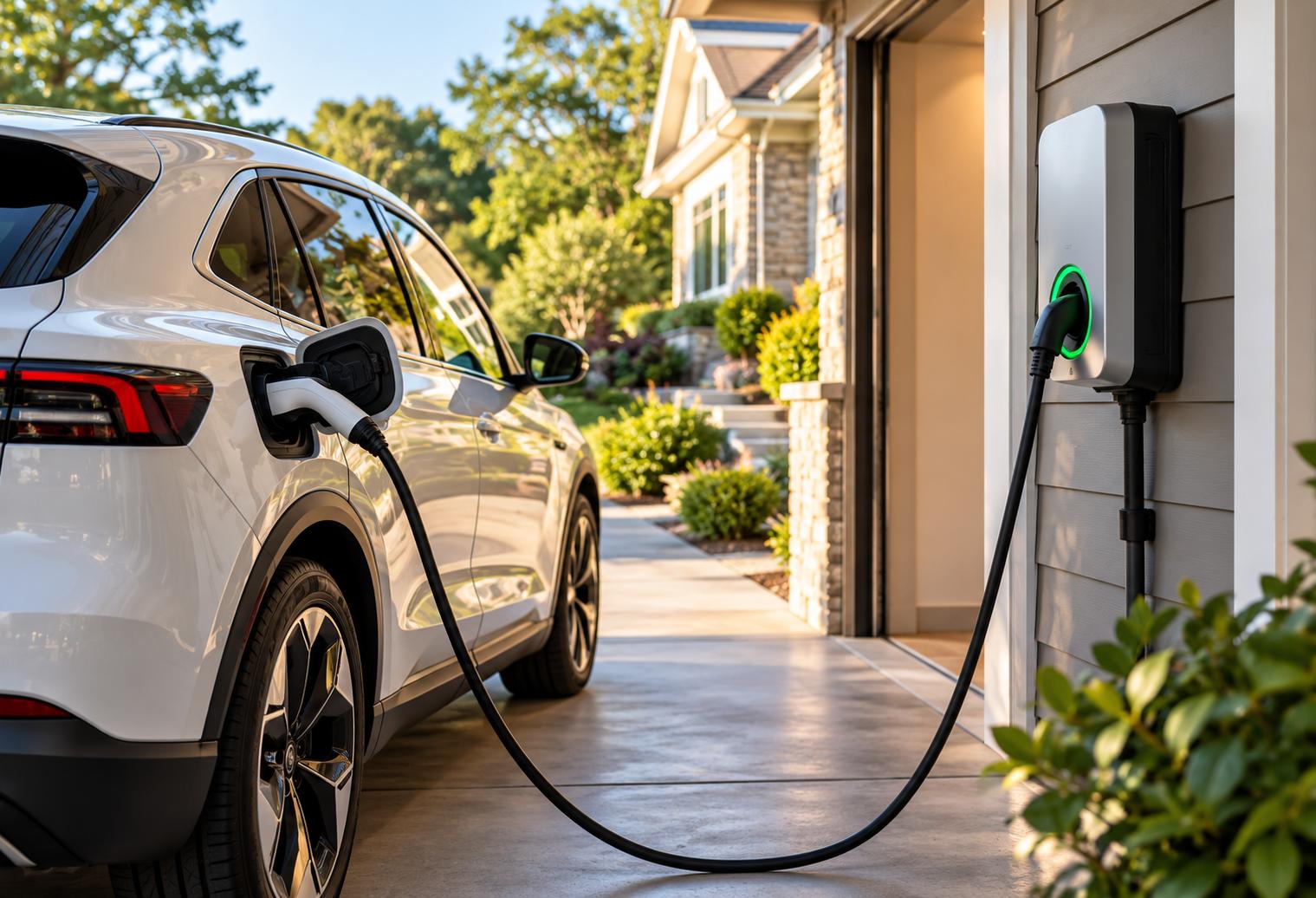
Bringing an electric vehicle home changes more than what sits in your driveway. For homeowners in Monroe and surrounding Fairfield County communities, reliable home charging also means making sure the electrical system, panel capacity, wiring, charger location, and permitting are all appropriate for the property.
A professionally planned home charging setup can make daily EV ownership much easier while helping reduce electrical safety concerns.
Quick answer: Home EV charger installation usually involves evaluating your electrical service, selecting an appropriate Level 2 charger, installing a dedicated 240-volt circuit, obtaining required electrical permits, and completing the work to applicable Connecticut electrical codes. The right installation depends on your vehicle, charging needs, panel capacity, parking location, and the distance between the electrical panel and charger.
What local homeowners should know
-
Level 2 home chargers generally use a dedicated 240-volt circuit and can charge considerably faster than a standard household outlet.
-
Monroe offers a residential electrical permit process through the town’s online permitting system.
-
Connecticut electrical work is governed by the state building code, so charger installation should be planned with current code requirements in mind.
-
Fairfield County homes vary widely in age, electrical service size, garage configuration, and panel capacity.
-
Your existing electrical panel may need evaluation before a higher-amperage EV charging circuit can be added.
Why Does Home EV Charger Installation Matter in Monroe?
Home EV charger installation matters in Monroe because a charger can become one of the larger continuous electrical loads in a house, making proper circuit sizing and panel evaluation especially important. A setup that works for one Fairfield County home may not be appropriate for another with an older panel or different electrical demands.
Homes throughout the area range from older properties with upgraded electrical systems to newer construction designed for heavier modern loads. Detached garages, longer driveways, finished basements, heat pumps, electric ranges, pools, and other equipment can all influence how an EV charger should be installed.
At New England Electrical Contracting, Inc., we approach home EV charging as an electrical-system project rather than simply mounting a charger on a wall. We consider how the charging equipment fits into the home’s existing electrical capacity and everyday use.
What Do Local Codes and Permit Requirements Mean for EV Charging?
Local codes and permit requirements mean residential EV charger work should be completed through the proper electrical permitting process and according to Connecticut’s applicable electrical standards. Monroe specifically lists residential electrical permits among the permits available through its online system, providing a formal path for electrical upgrades and installations.
Connecticut’s current published State Building Code is based in part on the 2020 National Electrical Code. EV charging equipment is covered by specialized electrical requirements because it can draw substantial power for extended periods.
For homeowners, that makes proper conductor sizing, breaker selection, grounding, equipment placement, and circuit protection more than installation details. They are fundamental parts of a safe charging system.
What Local Data and Electrical Conditions Should Homeowners Consider?
Local homeowners should consider their existing electrical service and the specific demands of the charger before choosing equipment. Connecticut’s Department of Energy and Environmental Protection identifies Level 2 charging as 240-volt charging, which is a common choice for homeowners who want faster charging than a standard 120-volt outlet can provide.
Connecticut also maintains EV charging programs through utilities including Eversource and United Illuminating. Program eligibility, equipment requirements, and incentives can change, so homeowners should check the current program terms that apply to their electric utility before purchasing a charger.
From an electrical standpoint, the most useful information often comes from the home itself: panel rating, available breaker space, existing demand, parking arrangement, and the proposed charger location.
How Can an EV Charger Affect Your Home Electrical System?
An EV charger can significantly increase the load placed on a home electrical system, particularly when charging overlaps with other high-demand appliances. An electrician can evaluate whether the existing service and panel have adequate capacity or whether another solution should be considered.
The issue is not simply whether there is an empty breaker position. Available panel space and available electrical capacity are different things.
A household may already have central air conditioning, electric cooking equipment, a clothes dryer, well equipment, a hot tub, or other significant loads. A proper assessment considers the larger electrical picture before a charging circuit is installed.
What Are the Warning Signs Your Electrical System Needs Attention First?
Warning signs that deserve attention before or during EV charger planning include evidence that the existing electrical system may not be ready for an additional continuous load. Homeowners should have questionable conditions assessed rather than assuming a charger can simply be added.
Watch for:
-
A panel with little or no remaining breaker space
-
Frequently tripping breakers
-
Warm or discolored outlets, switches, or electrical components
-
Flickering or dimming lights when large appliances operate
-
An older electrical panel that has not been evaluated for current household demands
-
A garage or parking area located a significant distance from the main panel
-
Previous DIY electrical modifications of uncertain quality
-
Plans to add other major electrical loads at the same time
These signs do not automatically mean a full service upgrade is required, but they are reasons to evaluate the system carefully.
When Should You Call a Professional for EV Charger Installation?
You should call a qualified electrical professional before installing a Level 2 charger, altering a panel, adding a 240-volt circuit, or modifying permanent household wiring. Homeowners can safely compare charger features and decide where they would prefer to park, but permanent electrical work requires proper planning and installation.
A professional evaluation can determine circuit requirements, assess panel capacity, identify an appropriate wiring route, and address permit requirements.
For Monroe homeowners, involving an electrician early can also prevent purchasing charging equipment that does not fit the available electrical capacity or planned installation location.
What Common Factors Make One EV Charger Installation Different From Another?
The most common factors are panel capacity, charger amperage, wiring distance, garage configuration, and whether electrical upgrades are needed. These conditions can make two installations in neighboring Fairfield County homes very different even when both owners purchase similar vehicles.
1. Electrical service capacity: The existing household load must be considered before adding charging equipment.
2. Distance from the panel: Longer wiring routes may require more material and installation work.
3. Attached versus detached garages: Detached structures can create different routing and electrical considerations.
4. Charger output: Higher charging output generally means greater electrical demand.
5. Indoor versus outdoor placement: Equipment installed outdoors must be appropriate for the location and environmental exposure.
Properties in Monroe, Trumbull, Easton, Shelton, and nearby communities can have very different layouts, so charger selection should follow the site assessment rather than come before it.
How Can Homeowners Prepare for a Safe EV Charger Installation?
Homeowners can prepare by gathering vehicle charging specifications, choosing a preferred parking location, checking utility programs, and keeping the electrical panel accessible for evaluation. These simple steps make it easier to design a practical installation around daily driving habits and the property itself.
Before installation:
-
Confirm your vehicle’s home charging capabilities.
-
Decide where the vehicle will normally park overnight.
-
Review the charger manufacturer’s electrical requirements.
-
Avoid using extension cords as a permanent EV charging solution.
-
Check current utility EV programs before purchasing equipment.
-
Have the panel and electrical service evaluated if capacity is uncertain.
For outdoor installations in Fairfield County, equipment selection should also account for rain, snow, freezing temperatures, and year-round exposure.
What Results Should You Expect From Professional Installation?
Professional EV charger installation should provide a properly sized, dedicated charging circuit designed around the charger, vehicle, electrical system, and installation location. The goal is dependable everyday charging without creating unnecessary stress on wiring or exceeding the capacity available to the home.
Depending on the property, installation may involve a straightforward circuit addition or additional electrical work before the charger can be connected.
Homeowners should come away understanding how to operate the charger, where its breaker is located, and any electrical limitations or recommendations identified during the project.
What Are Common EV Charger Installation Mistakes?
Common EV charger installation mistakes usually involve choosing equipment before evaluating the electrical system or treating a high-demand charging circuit like an ordinary receptacle project. Better planning can prevent unnecessary equipment changes, delays, and electrical concerns.
Mistake: Buying the highest-amperage charger available.
Consequence: The home may not have capacity for that charging rate.
Better approach: Match charging output to the vehicle, driving needs, and available electrical capacity.
Mistake: Choosing the charger location without considering the panel.
Consequence: The wiring route may become more complicated than expected.
Better approach: Evaluate parking convenience and electrical access together.
Mistake: Skipping permit requirements.
Consequence: The installation may not follow the municipality’s required process.
Better approach: Address permitting as part of the project from the beginning.
What Is a Common Home EV Charging Scenario in Fairfield County?
A common local scenario is a homeowner who purchases an EV and wants Level 2 charging in an attached garage, only to discover that charger selection is just one part of the project. The electrical panel, existing household loads, circuit route, and desired charging speed all need to be considered first.
In another Monroe home, the preferred parking spot might be outside or near a detached structure, changing the installation approach substantially.
These are not case studies or descriptions of specific customer projects. They illustrate why an on-site assessment is useful before deciding how an EV charger should be installed.
What Electrical Services Can Support Home EV Charging?
Electrical services that support home EV charging can include dedicated circuit installation, panel evaluation, panel upgrades when necessary, wiring installation, charger connection, and related electrical improvements. The exact scope should be based on the condition and capacity of the individual home.
We can help homeowners understand what their electrical system needs before the charging equipment becomes part of their daily routine.
How Do Level 1 and Level 2 Home Charging Compare?
Level 1 charging prioritizes simplicity and lower electrical demand, while Level 2 charging provides faster home charging through a 240-volt electrical supply. The better option depends on daily mileage, vehicle battery size, available overnight charging time, and the home’s electrical capacity.
Level 1 can work for drivers with modest daily mileage and plenty of charging time. Level 2 is often preferred by households that want more charging capability overnight or need to replenish more battery capacity between trips.
For many Fairfield County homeowners, the decision comes down to convenience balanced against the electrical work required.
What Areas Can We Help With Home EV Charging?
We provide electrical services for homeowners in Monroe and surrounding areas of Fairfield County and the region. Depending on the project location, nearby communities may include Trumbull, Easton, Shelton, and Newtown.
Home electrical systems differ from property to property, so we recommend evaluating the actual installation site rather than relying on a one-size-fits-all charging plan.
What Can Happen If Electrical Limitations Are Ignored?
Ignoring electrical limitations can lead to nuisance breaker trips, overheating concerns, an installation that cannot operate as intended, or additional electrical work later. Delaying a needed assessment can also make it harder to coordinate charging equipment purchases, permits, and electrical upgrades efficiently.
The safest approach is to understand the home’s electrical capacity before committing to a charger configuration.
Frequently Asked Questions
Do I need a permit for a home EV charger in Monroe, CT?
A residential EV charger installation involving new permanent electrical wiring should be addressed through Monroe’s electrical permitting process as applicable to the project. The town lists residential electrical permits through its online permitting system. Your electrician can determine what is required for the specific installation and coordinate the work accordingly.
Does every Monroe home need an electrical panel upgrade for Level 2 charging?
No, every Monroe home does not automatically need a panel upgrade for Level 2 charging. The answer depends on the existing service capacity, household electrical load, charger requirements, and panel condition. A load evaluation is the appropriate way to determine whether the existing system can support the proposed charger.
Is Level 2 charging better for Fairfield County commuters?
Level 2 charging can be especially convenient for Fairfield County commuters who regularly drive enough miles to benefit from faster overnight charging. The right charging rate still depends on the vehicle and household routine. Some lower-mileage drivers may find Level 1 adequate, while others prefer the additional capability of Level 2.
Can an EV charger be installed outside in Connecticut?
Yes, an EV charger can be installed outdoors when the equipment and installation are suitable for outdoor use. Connecticut weather brings rain, snow, freezing temperatures, and seasonal temperature changes, so charger ratings, mounting location, wiring methods, and weather exposure should all be considered during installation.
Can I install an EV charger in a detached garage?
Yes, EV charging can often be installed in a detached garage, but the electrical path to that structure must be evaluated. Distance, existing garage power, feeder capacity, trenching or routing requirements, charger output, and code considerations can all affect the project.
Should I buy my charger before calling an electrician?
It is often better to have the electrical system evaluated before finalizing a charger purchase. An electrician can help determine what charging output the home can reasonably support and what installation conditions need to be addressed. That information can prevent buying equipment that is unnecessarily powerful or poorly suited to the property.
Are Connecticut EV charger incentives available to homeowners?
Connecticut maintains utility-administered EV charging programs, but available incentives, eligible equipment, enrollment rules, and program terms can change. Homeowners should review current information from their electric utility and the Connecticut Public Utilities Regulatory Authority before purchasing equipment if an incentive is part of their decision.
How long does home EV charger installation take?
Installation time depends on the electrical system, wiring route, charger location, permit process, and whether upgrades are necessary. A straightforward installation near a capable electrical panel will differ considerably from a project involving a detached garage, long cable run, panel work, or service changes.
Power Your EV Safely at Home in Monroe
A home charger should make EV ownership simpler, not create uncertainty about your electrical system. New England Electrical Contracting, Inc. can help local homeowners evaluate their charging needs and plan an installation that fits the property, vehicle, and available electrical capacity.