

The Sensory Home: Why the ‘Tactile Texture’ of Real Wood Outperforms Synthetic Flooring
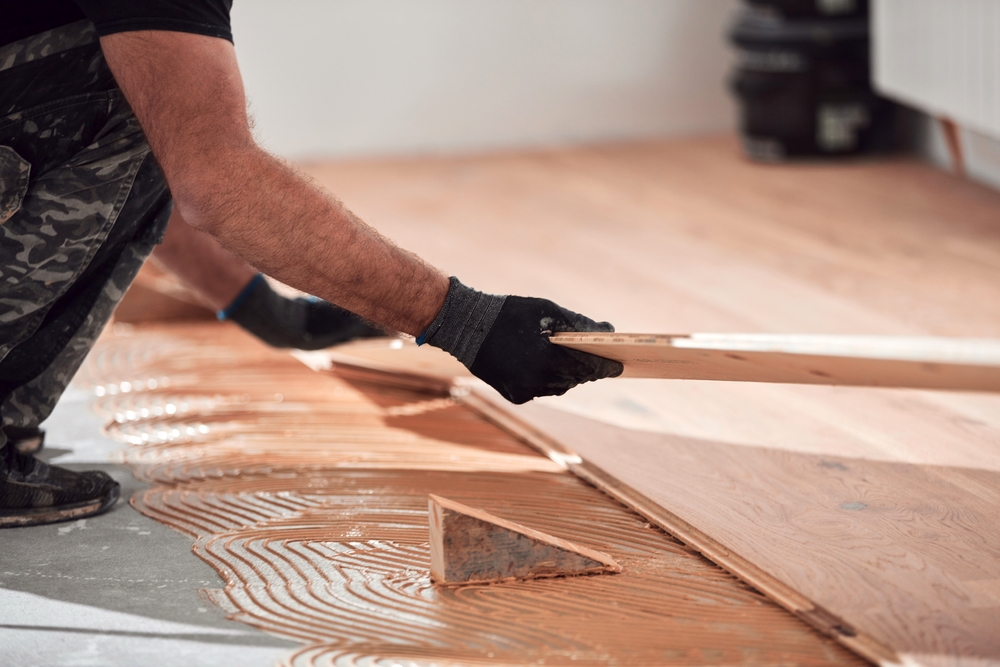
When we think about flooring, most people focus on durability, cost, and maintenance requirements. Yet there is something profound that synthetic materials simply cannot replicate: the authentic sensory experience of walking barefoot across real wood. The benefits of natural texture in interior design extend far beyond aesthetics. They touch on psychology, wellness, and the fundamental human need to connect with genuine materials in our living spaces.
The Psychology of Natural Materials
Our brains are wired to respond differently to natural versus synthetic materials. When you step onto real wood flooring, your feet and proprioceptive system detect subtle variations in grain, slight temperature changes, and the gentle give of natural wood. This creates a rich sensory experience that activates multiple neural pathways simultaneously. Synthetic alternatives, no matter how well-designed, provide a uniform, predictable surface that lacks these nuances.
Research in environmental psychology suggests that exposure to natural materials reduces stress and promotes psychological well-being. Real wood creates a connection to the natural world, even within urban environments. This connection is not merely decorative; it influences mood, anxiety levels, and overall quality of life. When you enter a room with authentic wood flooring, your nervous system responds with a subtle relaxation response that synthetic materials cannot trigger. The warm tones, the grain patterns, and the tactile qualities all combine to create an atmosphere that feels inherently more welcoming and authentic.
Understanding Texture and Its Impact on Well-being
Texture is perhaps the most underrated element of interior design. The human hand and foot contain thousands of sensory receptors that communicate detailed information about the surfaces we touch. Real wood offers incredible tactile variety: smooth grain running in one direction, knots that create slightly raised areas, and variations in wood density that produce subtle changes in firmness. Walking barefoot on real wood becomes an unconscious massage for the feet, engaging plantar proprioceptors and promoting better balance and body awareness.
Synthetic flooring materials are engineered for consistency. While this consistency appeals to manufacturers and those seeking uniformity, it contradicts the benefits of natural texture in interior design. The human nervous system thrives on variety and organic complexity. When surfaces are too uniform, they actually create a subtle sense of artificiality that most people cannot consciously identify but definitely feel. Children who grow up with real wood flooring develop different proprioceptive capabilities than those raised around synthetic surfaces. Their feet and neurological systems are trained to process natural variation and complexity.
The Aesthetic and Emotional Connection
Beyond the functional and psychological aspects, real wood simply looks alive in ways that synthetic materials cannot match. Each plank tells a story through its unique grain pattern, color variation, and natural imperfections. No two sections of hardwood flooring are identical; this individuality creates visual interest and warmth that photographs cannot fully capture. When sunlight streams across real wood, it interacts with the grain patterns, creating dynamic movement and depth that makes synthetic materials appear flat by comparison.
The emotional response to authentic wood is profound. Humans have used wood in construction and decoration for thousands of years. This deep historical and cultural connection is embedded in our aesthetic preferences. When you surround yourself with real wood, you are not just choosing a material; you are participating in a tradition that connects you to human history and nature. Synthetic alternatives, despite their technical sophistication, lack this emotional resonance. They may be perfect replicas in terms of appearance, but they cannot replicate the feeling of authenticity that real wood provides.
Durability and Long-term Value
A common misconception is that synthetic flooring outperforms real wood in terms of longevity. While some synthetic materials resist moisture better initially, real wood offers superior long-term value when properly maintained. Hardwood flooring can be sanded and refinished multiple times throughout its lifespan, essentially giving it new life every twenty to thirty years. This renewable quality means that real wood flooring installed in your home today could outlast you and pass to future generations.
Synthetic materials, conversely, cannot be restored once their surface wears. When the protective coating degrades, you must replace the entire flooring. This creates long-term waste and environmental impact that contradicts the presumed convenience of synthetic options. Real wood, therefore, represents not just better immediate value but better stewardship of resources. The benefits of natural texture in interior design include the knowledge that you have chosen a material with genuine sustainability and longevity when properly cared for.
Creating Spaces That Engage All Senses
Interior design is ultimately about creating spaces where humans live, work, and thrive. A truly well-designed space engages all five senses, not just vision. Real wood flooring contributes to this multisensory experience in ways that synthetic materials cannot. There is the visual beauty of the grain, the tactile pleasure of the texture underfoot, the acoustic properties that differ from hard synthetic surfaces, and even the subtle scent that real wood provides, especially when newly installed or freshly refinished.
Synthetic flooring reduces interior design to a purely visual discipline. It looks good in photographs and floor plans, but it fails to create the rich, multisensory environments that humans naturally prefer. When you combine real wood flooring with other natural materials, such as stone, leather, and untreated fabrics, you create spaces that feel more authentic and ultimately more satisfying to inhabit. These sensory-rich environments have measurable impacts on mood, creativity, and emotional well-being.
Conclusion
The choice between real wood and synthetic flooring is ultimately a choice about the kind of home and life you want to create. While synthetic materials offer convenience and cost savings, real wood provides something far more valuable: an authentic, sensory-rich environment that supports human well-being and connects us to nature. The benefits of natural texture in interior design are not luxuries but fundamental aspects of creating spaces where people genuinely flourish. Real wood flooring transforms a house into a home.